
Thomas Keller and I first met at Festival Napa Valley, sitting at a table very much like the one we recorded this episode at. What struck me immediately was not the seven Michelin stars or the reputation of The French Laundry, Per Se and The Surf Club. It was his warmth.
In this episode of A Life Well-Lived, Chef Keller shares the moments that shaped his life, from formative mentorships to early lessons in discipline, ambition and resilience. With humility and clarity, he talks about why cooks cook, the emotional roots of hospitality, the long game of persistence and the sense of urgency that defines every kitchen he leads. It is a reflective meditation on craftsmanship, care and the enduring value of doing things well.

Listen on: YouTube · Spotify · Apple Podcasts
Why do cooks cook?
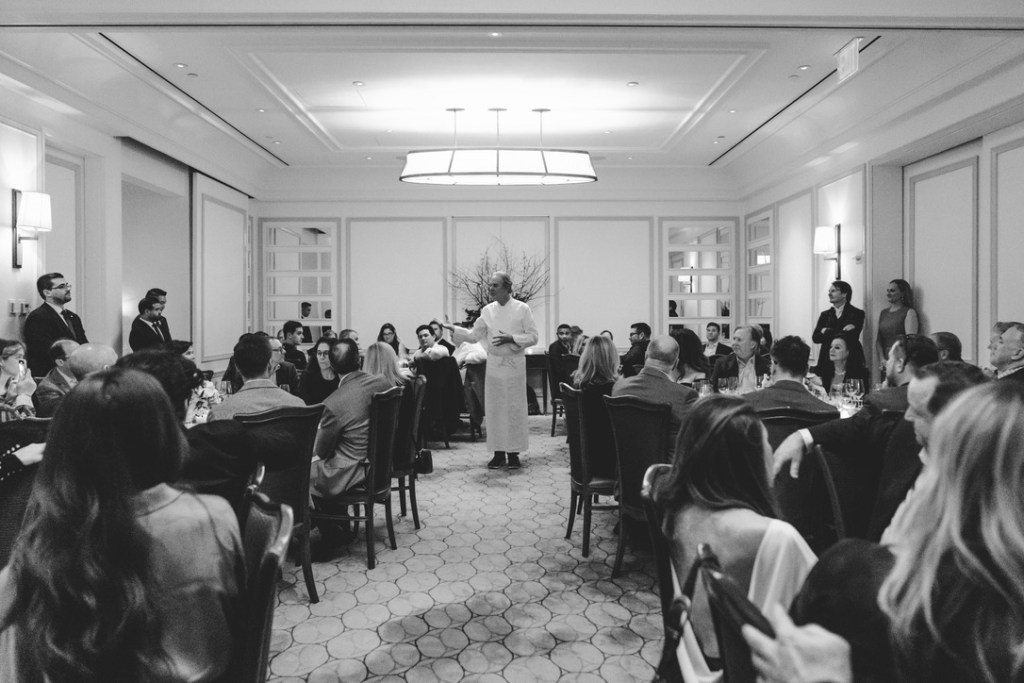
Thomas grew up in kitchens. His mother ran restaurants, and he spent his teenage years there doing homework, washing dishes and staying out of trouble. His older brother was already a cook and became an early mentor. By July 1977, barely 21, he was the staff cook at the Dunes Club, a private beach club in Narragansett, Rhode Island, cooking family meals twice a day for everyone from the kitchen team to the lifeguards and tennis pros.
His chef there was Roland Henin, a formidable Frenchman from Lyon. One day Henin praised his work ethic and then asked him a question: why do cooks cook? Thomas could not come up with a clever answer, so Henin answered it himself.
“We cook to nurture people.”
The word hit him, he says, like a ton of bricks. He realized he was a nurturer, and making that emotional connection between who he was and what he did changed his life. It is why he describes what his teams do as emotional work: connecting with themselves, with each other, with guests, and with the farmers, fishermen, foragers and gardeners who supply them.
Six disciplines, learned at a dishwasher
The precision and consistency you feel at The French Laundry and Per Se come from a culture Thomas traces back to the age of fifteen, when his mother put him in front of a dishwasher. Only much later did he realize he had learned six disciplines there that would shape his entire career:
- Organization: a designated place for everything.
- Efficiency: fitting thirty plates of different sizes into one rack, and still getting them clean.
- Critical feedback: forty-five seconds later the machine opened, and if the dishes were still dirty, you knew.
- Repetition: which leads to mastery, and the freedom of not having to think about the basics.
- Ritual: doing the same things at the same time every day, because ritual creates readiness.
- Teamwork: without clean plates and glasses, nobody else in the restaurant could do their job.
Standards, he told me, do not maintain themselves. Excellence is not an act but a habit, reflected in hundreds of small decisions that guests may never notice. “We notice them,” he says, “and that’s what matters.”
Passion over polish
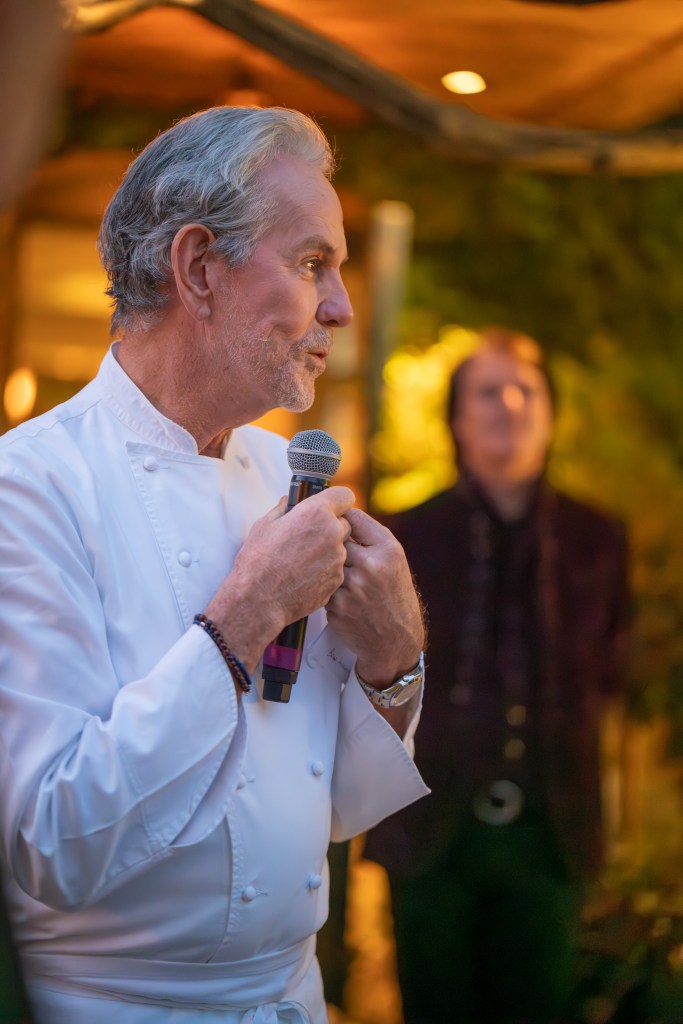
So many of the world’s great chefs have come through his kitchens. When he hires, Thomas looks for passion, curiosity and commitment. Knife skills and recipes can be taught; attitude is much harder. His own path was shaped by his mother, his brother, Chef Henin and many others, some of whom taught him what to do and some what not to do.
“Mentorship isn’t about creating copies of yourself. It’s about helping people become the best version of themselves.”
A sense of urgency, born of respect
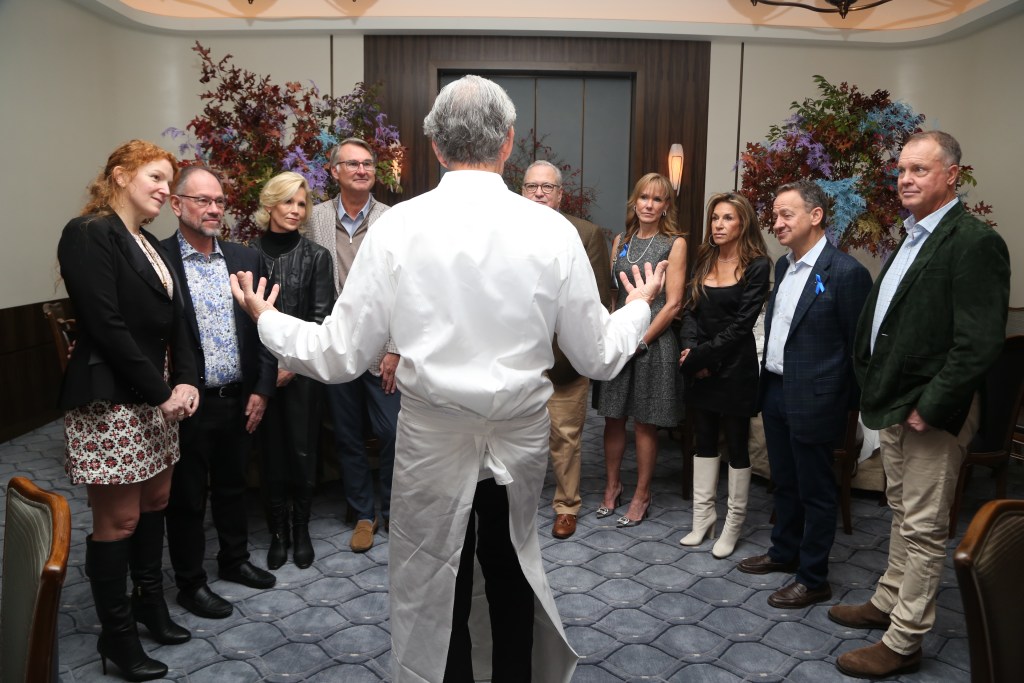
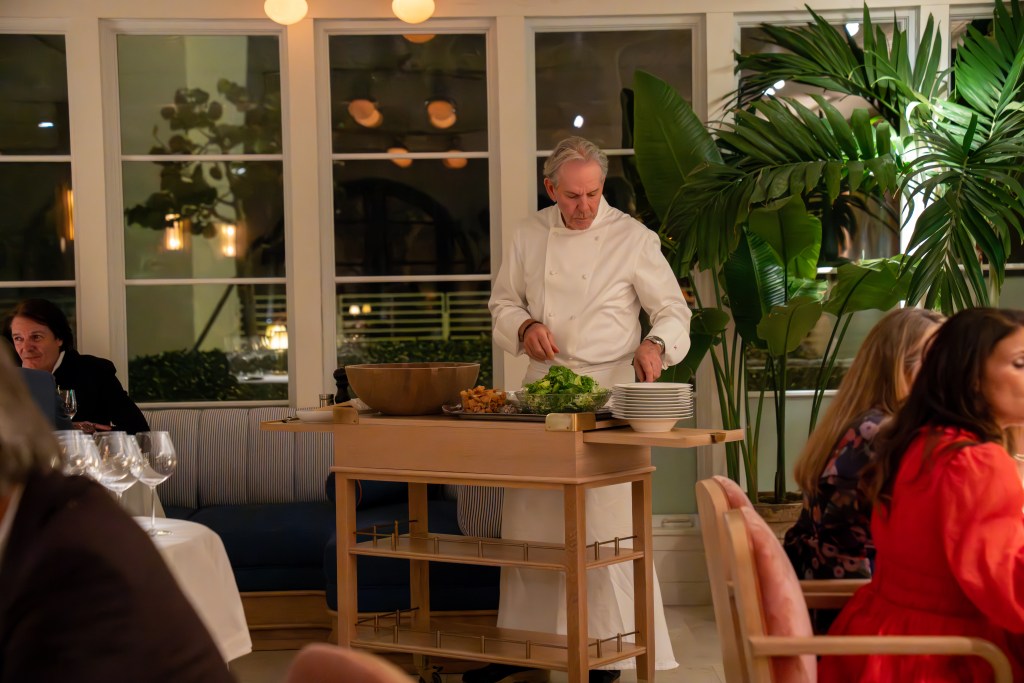
Anyone who has watched a Keller kitchen in service feels its urgency. Thomas describes it not as panic or stress, but as purpose, and it comes from respect for the guest.
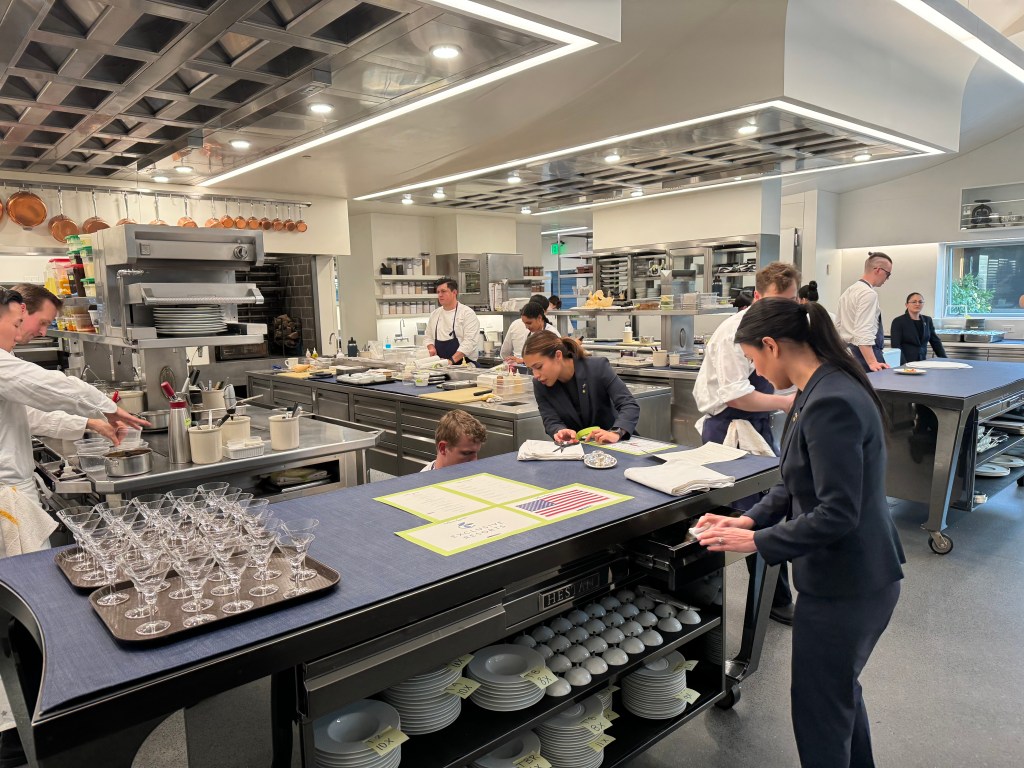
“When a guest sits down at a table, they’re giving us something incredibly valuable: their time. Time is the one thing we can never get back.”
From France to The French Laundry
Thomas went to France searching for knowledge and found something bigger: a different relationship with food, with time and with craftsmanship. Bakers, butchers, cheesemakers and farmers all took deep pride in their craft, and people knew where their food came from. The greatest lesson was patience. You cannot rush excellence, mastery or relationships.
When he first saw The French Laundry, the building was abandoned. Most people would have seen a rundown structure; he saw possibility. He had no money to buy it, no investors and no clear roadmap, only belief. There were financing, construction and operational challenges, and many moments when it might not have happened. His vision was simple: a restaurant where every person mattered, from guests and employees to farmers and suppliers. Years later, opening Per Se in New York taught him that a culture can travel.
There is no top of the mountain
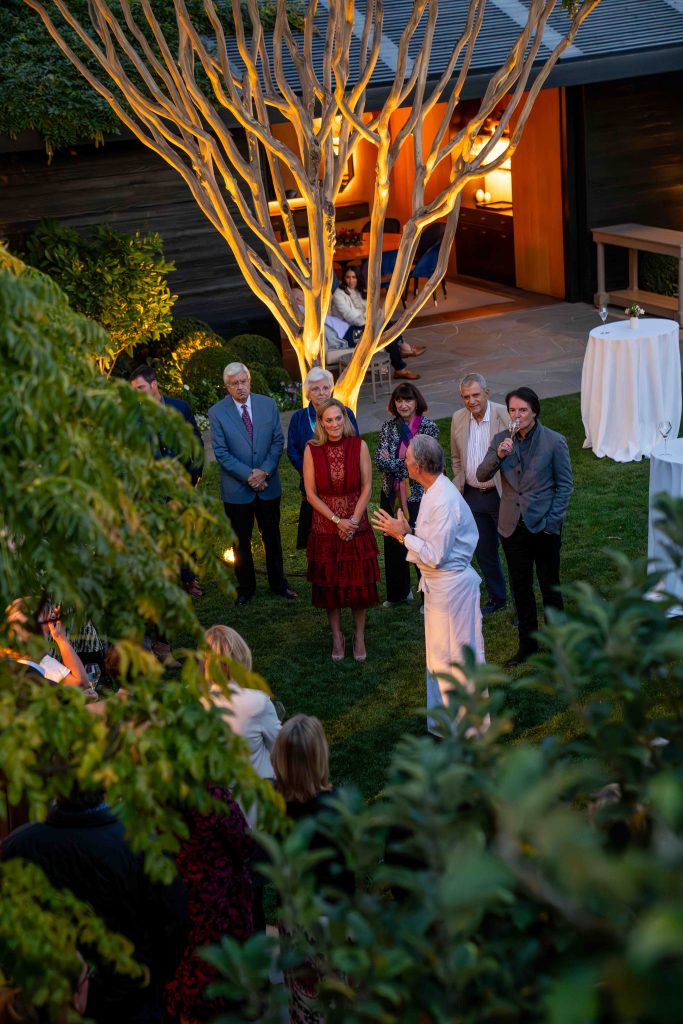
For a man whose name is so often linked with perfection, Thomas does not believe it exists. Aiming for it produces excellent results; believing you have reached it means you have stopped learning. He wants his teams focused on continuous improvement instead, and after all these years he is still learning, still curious and still discovering new things. Even on the golf course, which he loves, he finds the same lessons: you can prepare perfectly and still hit a bad shot, accept it and move forward.
“I don’t believe perfection exists. I think perfection is an aspiration. It’s something we strive toward, but never fully achieve. The pursuit itself is valuable.”
Three things I took from our conversation
- Know why you do what you do. Four words from a mentor in 1977 still motivate Thomas today.
- Excellence is a habit. It lives in the small, repeated details that nobody else may ever see.
- Hire for attitude. Skills can be taught; passion, curiosity and commitment are much harder to teach.
A life well-lived
Thomas spends little time thinking about his own legacy. What matters to him is whether he has built something sustainable, and whether the people who worked with him became better leaders, professionals and human beings. Success, he says, is now less about what you achieve and more about how you contribute.
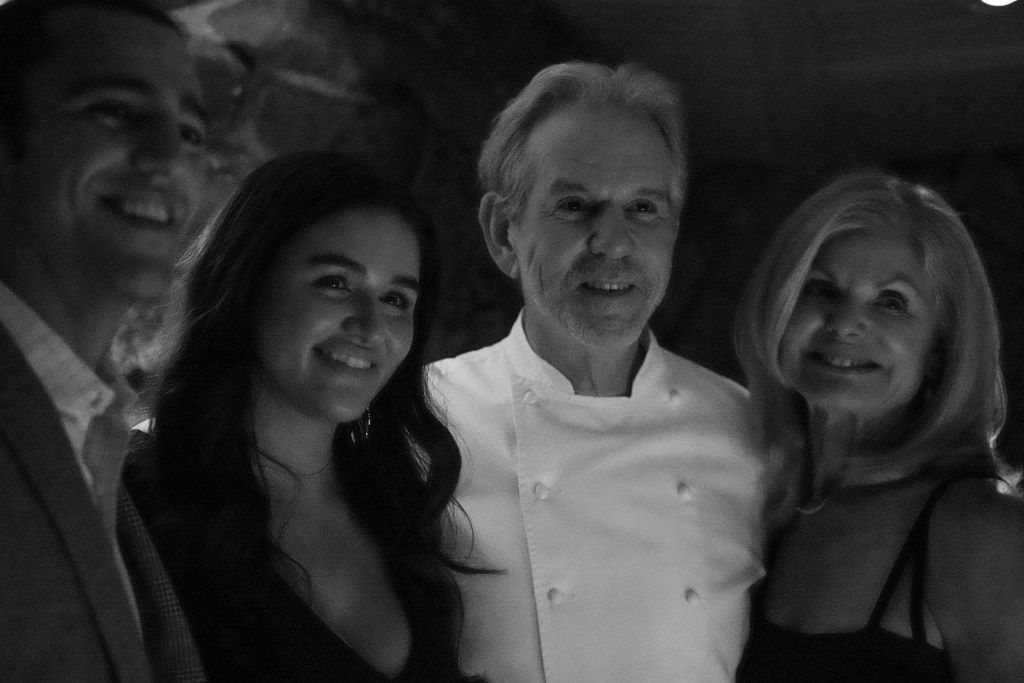
“A life well-lived is a life of purpose. It’s a life where you’ve remained curious. It’s a life where you’ve continued learning. It’s a life where you’ve nurtured others.”

Thank you, Thomas, for a remarkable conversation about leadership, mentorship, culture, hospitality and the pursuit of excellence.
Full transcript
Read the full transcript here
James: In this episode, I’m honored to welcome one of the world’s most celebrated chefs, Thomas Keller. With seven Michelin stars to his name, Chef Keller has not only shaped the fine dining landscape but also redefined what it means to create an unforgettable experience. From The French Laundry to Per Se and The Surf Club Restaurant, his dedication to precision, hospitality, and mentorship has set a new standard in the culinary world. Today, we’ll dive into his journey, the philosophy behind his craft, and the lessons he’s learned about leadership, legacy, and the power of a great meal. We first met at Festival Napa Valley. We were sitting at a table very much like this one, actually, quite close together. One of the things that immediately impressed me when we met was your warmth and genuine nature. How do you think that personal connection translates into the dining experiences you create?
Thomas: Good question. I remember that evening. I think we were waiting for Trisha Yearwood. What we do, on a fundamental level, is connect with people emotionally. To do that, you first have to be emotionally involved in what you do yourself. When I think about cooking, I think about why I cook. It was a question that was asked of me in July of 1977. I’d been cooking for several years because I was good at it. I was comfortable in a kitchen. My mother ran restaurants, so I spent a lot of time there as a teenager, doing homework, washing dishes, and staying out of trouble. I grew up in that environment. I started cooking at a young age. I could multitask, I was comfortable with the language of the kitchen, and my older brother was already a cook. He always wanted to be a cook, and he became an important mentor to me. Cooking also gave me opportunities to travel. In 1976, a group of friends and I decided to go to Newport, Rhode Island, for the Bicentennial celebration when the Tall Ships came into Newport Harbor. I took a job there, and we enjoyed it so much that I returned in 1977. That year, I was working for a formidable French chef named Roland Henin. He was extremely knowledgeable, highly skilled, and originally from Lyon. At the time, I was the staff cook at the Dunes Club, a private beach club in Narragansett, Rhode Island. I cooked family meals twice a day—one lunch and one dinner—not just for the kitchen and dining room teams, but also for the lifeguards, tennis pros, housekeepers, and everyone else who worked there. One day, Chef Henin came to me and said, “Thomas, I really appreciate what you’re doing. The team really enjoys your food. You’re on time, you’re precise, you’re clean, and I appreciate your work ethic.” Then he said, “I want to ask you a question.” I said, “Yes, Chef.” He asked, “Why do cooks cook?” At the time, I was barely twenty-one years old. I tried to think of a clever answer, but I couldn’t come up with one. So he answered the question himself. He said, “We cook to nurture people.” That word—nurture—hit me like a ton of bricks. I realized immediately that this was why I cooked. I was a nurturer. Making that emotional connection between who I was and what I did changed my life. That’s why I always say what we do is emotional. We connect with ourselves, with our teams, with our guests, with our farmers, fishermen, foragers, and gardeners. We have to connect emotionally with what each of us does and respect the role we all play. I think that’s the foundation of who we’ve become.
James: One of the things that has always struck me when visiting The French Laundry and Per Se is the incredible connection you have with your team. The precision, attention to detail, and consistency are remarkable. There’s almost a military-like discipline to it all. How do you create that kind of culture?
Thomas: That’s a good question. Culture is one of the building blocks of any great organization. A restaurant, like any successful business, has to have a strong culture and a strong set of beliefs. The people within that organization have to represent and exemplify those values in the way they work with one another. When we opened The French Laundry in 1994, the culture was built around a strong work ethic, attention to detail, and teamwork. I often talk about what I call the six disciplines. I’ll always come back to them because they shaped my entire career. What’s interesting is that I learned all six of them standing in front of a dishwasher at fifteen years old. At the time, I didn’t understand what those disciplines were. It wasn’t until much later in my career that I realized why I was doing what I was doing. We all have mentors throughout our lives. My mother was my first mentor, and I’m always grateful for what she taught me. Her work ethic, attention to detail, and sense of awareness became a big part of who I am. The first discipline was organization. My mother put me in front of that dishwasher, and I learned very quickly that staying organized mattered. We had designated places for everything. Soup bowls went in one spot. Salad bowls went in another. Dinner plates went somewhere else. The servers were expected to follow that system so that everything stayed organized. That lesson stayed with me. The second discipline was efficiency. When you’re loading a dish rack, you’re trying to maximize every inch of space. You’re figuring out how to fit thirty plates of different sizes into one rack while still making sure everything gets cleaned properly. That level of detail teaches you how to think efficiently. The third discipline was critical feedback. This is especially important. Sometimes critical feedback isn’t viewed positively today, particularly among younger generations, but it’s one of the most important tools for improvement. If I didn’t rack the dishes correctly, if I didn’t spray them properly, or if I loaded the machine incorrectly, the feedback was immediate. Forty-five seconds later, the machine opened and the dishes were still dirty. That was the feedback. It told me I needed to do a better job. Without critical feedback, how do we improve? The fourth discipline was repetition. You’re doing the same thing over and over and over again. As cooks, that’s what we do. We cook every day. I’ve always found comfort in repetition because repetition leads to mastery. When you do something enough times, you become very good at it. More importantly, repetition creates freedom. If you’ve done something so many times that it becomes second nature, you no longer have to think about it. You can focus your attention elsewhere. That liberation through repetition is incredibly important. The fifth discipline was ritual. Doing the same things at the same time every day. As a young cook, you start your day by preparing your equipment, organizing your ingredients, and setting up your station. Everything has to happen in a specific sequence. If service begins at five o’clock, then certain things need to happen before that moment arrives. Ritual creates readiness. And the sixth discipline was teamwork. Standing in front of that dishwasher taught me how important every role is. The cooks can’t prepare food without clean cookware and plates. The bartenders can’t pour drinks without glasses. The dining room can’t set tables without silverware. Without me doing my job properly, everyone else’s job became more difficult. That was a powerful lesson. The idea that we’re all working together toward one common goal has stayed with me throughout my career. Those six disciplines—organization, efficiency, critical feedback, repetition, ritual, and teamwork—really became the foundation of everything I’ve done.
James: One thing that’s always fascinated me is your ability to develop talent. Many of the most successful chefs in the world have spent time working in your kitchens. What do you look for when you’re bringing someone into your organization?
Thomas: I look for passion. I look for curiosity. I look for commitment. Technical skills can be taught. Knife skills can be taught. Recipes can be taught. What is much harder to teach is attitude. When someone walks into the kitchen, I want to know if they genuinely want to be there. Do they want to learn? Do they want to improve? Do they care about what they’re doing? Those are the qualities that matter most. I’ve always believed that if someone has the right mindset, we can help them develop the skills.
James: You’ve mentored so many people over the years. What role has mentorship played in your own journey?
Thomas: It’s been critical. Nobody succeeds alone. We all learn from somebody. As I mentioned earlier, my mother was an important mentor. My brother was an important mentor. Chef Roland Henin was an important mentor. There were many others along the way. Each one taught me something different. Sometimes they taught me what to do. Sometimes they taught me what not to do. Both lessons are valuable. As I’ve gotten older, I’ve realized how important it is to pass those lessons forward. Mentorship isn’t about creating copies of yourself. It’s about helping people become the best version of themselves.
James: That seems to be one of your greatest strengths. You’ve created an environment where people grow.
Thomas: I hope so. One of the most rewarding things for me is seeing someone come into the organization with potential and then watching them develop. Watching them gain confidence. Watching them take on more responsibility. Watching them become leaders. Those moments are incredibly meaningful. The success of the restaurant is important, of course, but the success of the people is equally important.
James: You’ve often talked about the importance of standards. How do you maintain standards over decades?
Thomas: You have to remain vigilant. Standards don’t maintain themselves. You can’t assume that because something was done correctly yesterday it will automatically be done correctly today. Standards require constant attention. They require leadership. They require consistency. Most importantly, they require people who care. One of the things I tell our teams is that excellence isn’t an act. It’s a habit. It’s something we do every day. It’s reflected in hundreds of small decisions. The guest may never notice many of those details, but that’s not the point. We notice them. And that’s what matters.
James: One thing that comes through in everything you do is a tremendous sense of urgency. Where does that come from?
Thomas: I’ve always had a strong sense of urgency. Part of it comes from respect. When a guest sits down at a table, they’re giving us something incredibly valuable: their time. Time is the one thing we can never get back. So when someone chooses to spend an evening with us, we have a responsibility to honor that choice. We need to be prepared. We need to be focused. We need to execute at the highest level possible. That creates a natural sense of urgency. Not panic. Not stress. Purpose. Every moment matters. Every interaction matters. Every detail matters. That’s how I’ve always viewed hospitality.
James: That’s a powerful perspective.
Thomas: Well, hospitality is ultimately an act of generosity. Someone chooses to spend time with us, and our responsibility is to make that time meaningful. That’s something I never take for granted.
James: Travel has obviously played a major role in your life and career. You spent significant time in France early in your journey. How important was that experience in shaping your philosophy as a chef?
Thomas: It was transformational. When I first went to France, I wasn’t necessarily searching for a philosophy. I was searching for knowledge. At that point in my career, French cuisine represented the highest level of cooking in the world. I wanted to understand it. I wanted to understand the techniques, the traditions, and the culture that produced it. What I discovered was much bigger than cooking. I discovered a different relationship with food. I discovered a different relationship with time. I discovered a different relationship with craftsmanship. In France, people took tremendous pride in what they did. Whether it was a baker, a butcher, a cheesemaker, a farmer, or a chef, there was deep respect for the craft itself. That had a profound impact on me.
James: Was there a particular lesson that stayed with you?
Thomas: There were many. One of the most important was patience. Great things take time. You can’t rush excellence. You can’t rush mastery. You can’t rush relationships. The French understood that in a way I hadn’t fully appreciated before. There was also a tremendous respect for ingredients. People knew where their food came from. They knew the producers. They understood the seasons. That connection between the producer and the final product was very powerful. It’s something I’ve tried to maintain throughout my career.
James: At what point did The French Laundry become part of the dream?
Thomas: The French Laundry wasn’t initially a dream. It became one. When I first saw the building, it was abandoned. Most people would’ve looked at it and seen a rundown structure that needed an enormous amount of work. But I saw possibility. I saw a place where I could create the kind of restaurant I had always envisioned. The challenge was that I didn’t have the money to buy it. I didn’t have investors lined up. I didn’t have a clear roadmap. What I had was belief. I believed in the vision. And sometimes that’s where great journeys begin.
James: Were there moments when you thought it might not happen?
Thomas: Many moments. More than people probably realize. There were financing challenges. There were construction challenges. There were operational challenges. There were countless moments when things could have gone differently. But I think that’s true of most meaningful endeavors. People often see the finished result and assume the path was straightforward. It rarely is. There’s usually a tremendous amount of uncertainty behind every success.
James: What was your vision for The French Laundry from the beginning?
Thomas: The vision was actually very simple. I wanted to create a restaurant where every person mattered. Every guest. Every employee. Every farmer. Every supplier. Every member of the team. I wanted to create an environment where people felt respected and valued. Of course, I wanted to serve extraordinary food. But food alone wasn’t enough. The experience needed to be complete. The hospitality needed to be complete. The culture needed to be complete. That’s what we were trying to build.
James: When people think about The French Laundry today, they think about excellence. They think about one of the greatest restaurants in the world. Did you ever imagine it would become what it has become?
Thomas: No. Honestly, no. My focus has never been on awards or recognition. My focus has always been on doing the work. I’ve always believed that if you focus on the process, the results will take care of themselves. Awards are wonderful. Recognition is gratifying. But neither of those things can be the reason you do what you do. The reason has to come from somewhere deeper. For me, it always comes back to nurturing people. That’s still the answer. It’s the same answer Chef Henin gave me in 1977. We cook to nurture people. And that’s still what motivates me today.
James: You’ve built The French Laundry into one of the most respected restaurants in the world, and then you went on to create Per Se in New York. What did opening Per Se teach you?
Thomas: It taught me that culture can travel. When we opened Per Se, the challenge wasn’t simply recreating The French Laundry in another city. That was never the goal. The goal was to take the values, philosophies, and culture we’d developed and establish them in a completely different environment. New York is very different from Napa Valley. The pace is different. The energy is different. The expectations are different. But people are people. Hospitality still matters. Excellence still matters. Respect still matters. The challenge was ensuring those principles translated successfully.
James: Was that more difficult than opening The French Laundry?
Thomas: In many ways, yes. When you open your first restaurant, you’re building something from scratch. When you open a second restaurant after significant success, expectations change. People arrive with assumptions. They have expectations before they’ve even walked through the door. Managing those expectations while remaining true to your values creates a different kind of challenge.
James: One word that’s often associated with you is perfection. How do you feel about that?
Thomas: I don’t believe perfection exists. I think perfection is an aspiration. It’s something we strive toward, but never fully achieve. The pursuit itself is valuable. If you aim for perfection, you tend to produce excellent results. But if you convince yourself you’ve achieved perfection, you’ve probably stopped learning. You’ve probably stopped improving. I’ve never wanted our teams to focus on perfection. I’ve wanted them to focus on continuous improvement. That’s a much healthier mindset.
James: That’s interesting because from the outside looking in, people often assume you’ve reached the top of the mountain.
Thomas: I don’t think there is a top of the mountain. That’s one of the things people misunderstand. The work never ends. The learning never ends. The improvement never ends. Every day presents another opportunity to get better. That’s one of the things I still love about this profession. Even after all these years, I’m still learning. I’m still curious. I’m still discovering new things.
James: You mentioned curiosity earlier. It seems to be a recurring theme throughout your life.
Thomas: Curiosity is essential. Curiosity drives learning. Curiosity drives innovation. Curiosity keeps us engaged. The moment we stop asking questions, we stop growing. I’ve always encouraged people to remain curious. Read. Travel. Talk to people. Observe. Ask questions. The world has so much to teach us if we’re willing to pay attention.
James: You’ve received virtually every honor a chef can receive. How do you define success today?
Thomas: Success has changed over time. When you’re younger, success often feels connected to achievement. It’s connected to goals, milestones, and accomplishments. As I’ve gotten older, success feels much more connected to people. Did we create opportunities for others? Did we help people grow? Did we create meaningful experiences? Did we positively impact someone’s life? Those are the questions I think about now. The awards are wonderful, but they’re not the things I think about most often.
James: What do you think about when you think about legacy?
Thomas: Legacy is a complicated word. I don’t spend a great deal of time thinking about my own legacy. What I think about is whether we’ve created something sustainable. Have we built organizations that will continue to thrive? Have we developed leaders who will carry the culture forward? Have we created environments where people can succeed? Those things matter more to me than whether my name is remembered. If the people who worked with us become better leaders, better professionals, and better human beings because of their experiences, that’s meaningful. That’s something worth being proud of.
James: That sounds very consistent with the way you’ve approached your entire career.
Thomas: I think so. At the end of the day, restaurants are about people. Cooking is about people. Hospitality is about people. Leadership is about people. No matter how much technology changes, that fundamental truth remains the same.
James: One thing people may not know about you is that outside the kitchen, you’re an avid golfer. Golf seems to be one of the few places where you’re able to step away from the intensity of the restaurant world. What does the game mean to you?
Thomas: Golf teaches patience. It teaches humility. It teaches discipline. In many ways, it has similarities to cooking. You can spend years trying to improve and still feel like there’s more to learn. That’s one of the reasons I enjoy it. It’s challenging. It’s rewarding. And it gives me an opportunity to spend time with friends and connect with people in a different environment.
James: Do you find yourself approaching golf the same way you approach cooking?
Thomas: Probably more than I’d like to admit. There’s certainly attention to detail involved. There’s preparation. There’s repetition. There are rituals. There are all the things we’ve talked about today. But golf also reminds you that you’re not in complete control. You can prepare perfectly and still hit a bad shot. That’s a valuable lesson. Sometimes you simply have to accept the outcome and move forward.
James: That sounds like a good life lesson as well.
Thomas: It is. Life doesn’t always go according to plan. Business doesn’t always go according to plan. Restaurants certainly don’t always go according to plan. The ability to adapt is important. The ability to remain resilient is important. And the ability to keep moving forward is important. Golf reinforces those lessons every time you play.
James: After all these years, what brings you the most happiness?
Thomas: People. It’s always people. The relationships I’ve built over the years. The teams I’ve worked with. The guests I’ve had the privilege to serve. The friendships I’ve developed. The opportunity to mentor others. Those things bring me the greatest satisfaction. Of course, I still love cooking. I still love restaurants. I still love creating experiences. But those experiences are meaningful because of the people involved.
James: You’ve spent a lifetime creating extraordinary experiences for others. What have you learned about living a meaningful life?
Thomas: I’ve learned that purpose matters. I’ve learned that relationships matter. I’ve learned that curiosity matters. I’ve learned that gratitude matters. And I’ve learned that success, at least for me, is less about what you achieve and more about how you contribute. When I look back on my life, the moments that stand out aren’t awards or accolades. They’re moments with people. They’re moments of connection. They’re moments where I felt I made a positive difference in someone’s life. Those are the moments that stay with you.
James: How do you define a life well-lived?
Thomas: A life well-lived is a life of purpose. It’s a life where you’ve remained curious. It’s a life where you’ve continued learning. It’s a life where you’ve nurtured others. It’s a life where you’ve tried to make things better than you found them. I don’t think it’s about perfection. I don’t think it’s about fame. I don’t think it’s about recognition. I think it’s about contribution. It’s about relationships. And it’s about leaving a positive impact on the people around you.
James: That’s beautifully said. Thomas, thank you for joining us today. This has been a remarkable conversation about leadership, mentorship, culture, hospitality, and the pursuit of excellence. I’ve learned a tremendous amount, and I know our listeners will as well.
Thomas: Thank you, James. I’ve enjoyed our conversation very much. I appreciate the opportunity to reflect on these experiences and share some of the lessons I’ve learned along the way.
James: Thank you for joining us for this episode of A Life Well-Lived. We’ll see you next time.
A Life Well-Lived is the podcast from Exclusive Resorts, featuring the extraordinary lives of our Members and friends of the Club. Watch the full episode on YouTube, or listen on Spotify and Apple Podcasts.
Enjoyed this? Get new stories by email.
Travel, cars, aviation and conversations from A Life Well-Lived, delivered when each new post is published.
Related Posts
A Life Well-Lived: Chase Carey on Building Formula 1 into a Global Powerhouse
Recorded live at the Las Vegas Grand…

A Life Well-Lived: Dick Monfort on Ownership, Stewardship and the Colorado Rockies
At Coors Field with Colorado Rockies…

A Life Well-Lived: Jean Case on Courage, Curiosity and Making Big Bets
Tech pioneer, philanthropist,…