
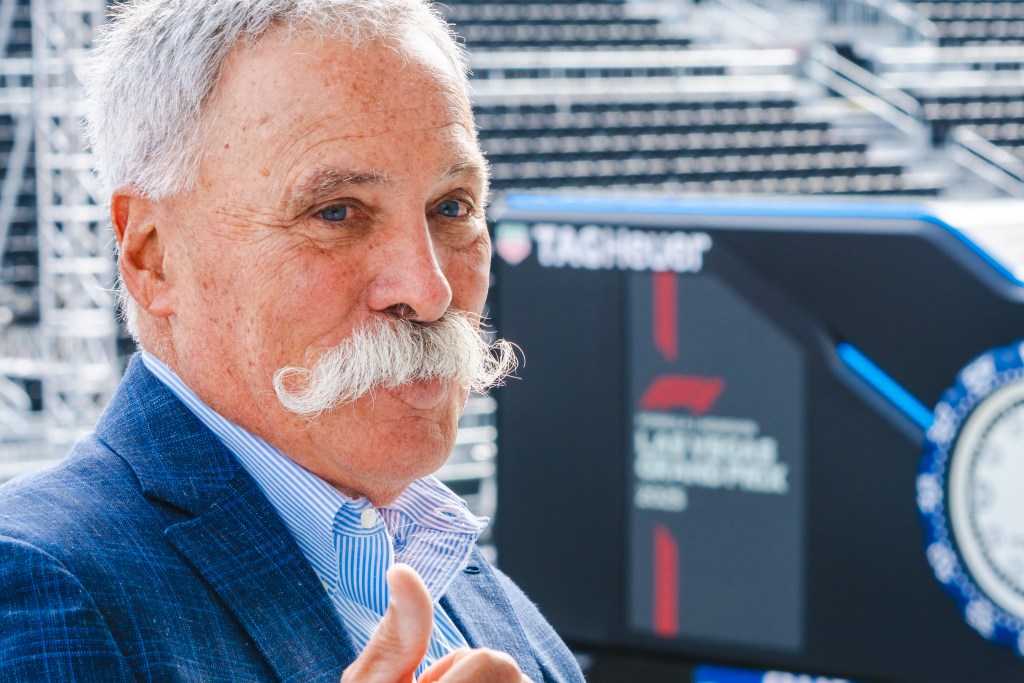
As the former CEO of Formula 1 and a longtime media executive behind brands like Fox and Sky, Chase Carey helped reshape the sport into a global spectacle, elevating each race into a destination-worthy event and expanding its reach to a new generation of fans.
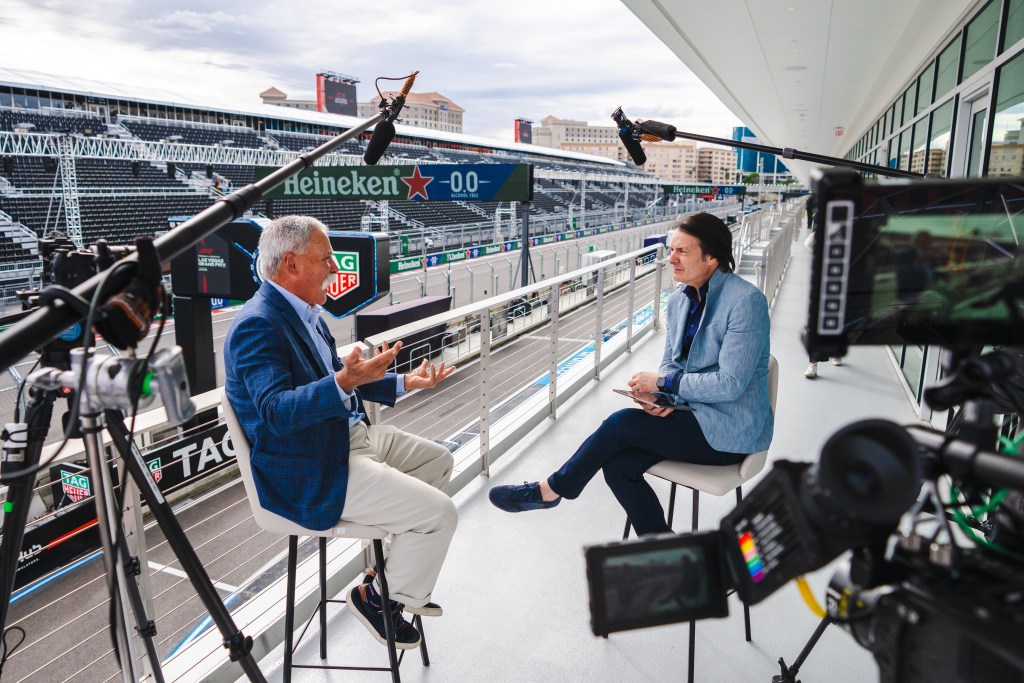
This episode of A Life Well-Lived was recorded live at the Las Vegas Grand Prix, with track crews and aircraft as our soundtrack. Chase reflects on the vision behind Formula 1’s evolution, from turning every race weekend into a world-class event to growing the sport worldwide, and shares lessons on leadership, scale and why enduring success comes from steady execution, strong teams and a clear point of view. Having spent part of my own career in Formula 1, this was a conversation I had been looking forward to for a long time.

Listen on: YouTube · Spotify · Apple Podcasts
Every race a global event
Chase served as Chairman and CEO of Formula 1 from 2016 to 2021, living in London and attending every race, before handing day-to-day leadership to Stefano Domenicali. Today he sits on the board, attends six or seven races a year and describes himself, with a smile, as mostly a cheerleader. The energy of a race weekend still excites him, and creating that energy was the ambition from the start.
“We wanted every race weekend to feel like a major global event—a spectacle that extended beyond the race itself.”
When he first sat down with local leaders in 2019, he felt that Formula 1 and Las Vegas were made for each other: both global spectacles, both built around unforgettable experiences. Bringing it to life meant working closely with the Las Vegas Convention and Visitors Authority, which coordinates the city’s calendar of conventions, concerts and sporting events.
Lessons from Fox and Rupert Murdoch
Chase joined Columbia Pictures after business school in the early 1980s, when there were three major networks and cable was in its infancy, then moved to Fox in 1987, where he helped build Fox Sports, Fox News, Sky and the Fox network itself. What he admired most in Rupert Murdoch was his ability to cut through the PowerPoint presentations and forecasts to the few factors that really mattered, and his conviction when things went wrong.
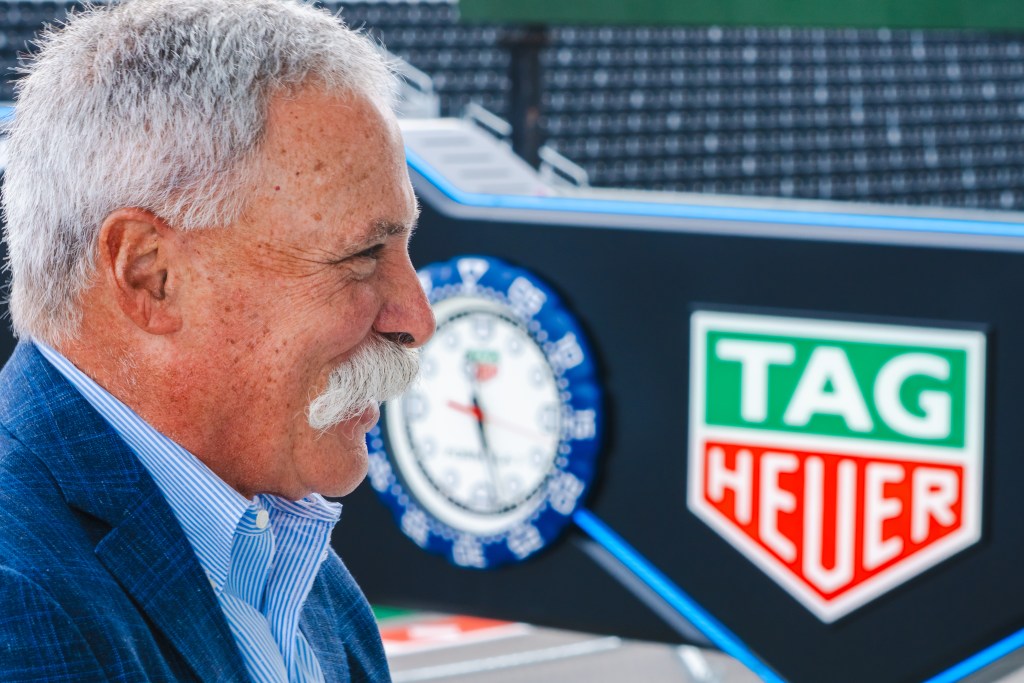
“Building businesses is incredibly difficult. Whether you’re creating a network, a news channel, or a global television platform, the first few years are often filled with setbacks.”
When Fox News launched, Wall Street and the media industry were skeptical that the world needed another news channel. The team stayed focused on execution and proved otherwise. For Chase, that is the most rewarding part of the work: taking on something many people think is impossible, alongside talented people, and creating something that endures.
One more rodeo
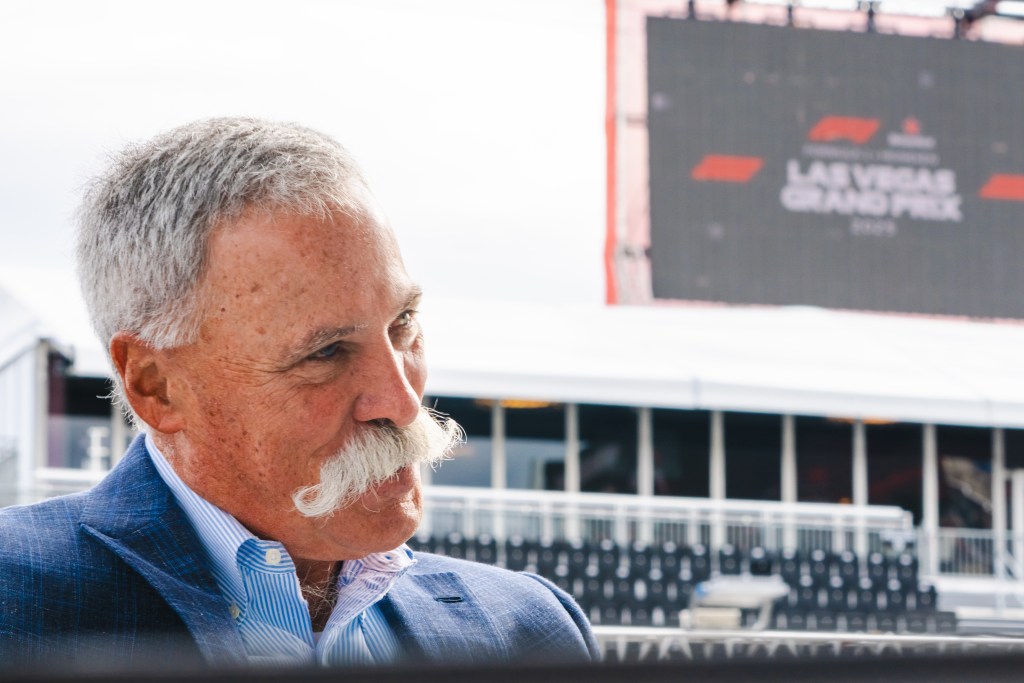
Formula 1 was not on his radar. He was retiring from Fox when John Malone and Greg Maffei of Liberty Media asked whether he would move to London and do “one more rodeo”. Any new role, he had always said, had to be different, interesting and capable of succeeding. Formula 1 checked all three boxes: extraordinary assets, historic teams, iconic drivers and a truly global footprint, but a sport that had not kept pace with how fans now engaged with sport and entertainment.
The transformation rested on four pillars:
- The best possible sport on track: drama, unpredictability, heroes and rivalries, because nothing else matters if the racing is not compelling.
- Every race a global spectacle: fans spend three days at an event for a ninety-minute race, so music, food, hospitality and destination all matter.
- Every tool to connect with fans: digital, social, original content such as Drive to Survive, better broadcasts and F1 TV.
- Growth: new markets, especially the United States with Austin, Miami and Las Vegas, and a younger, more female audience.
Growth, he stresses, rarely comes from a single breakthrough. It comes from singles and doubles: a hundred things working together, consistently, over time.
Management as a competitive advantage
People talk about Formula 1 as a technology competition, but Chase sees it as a leadership one. A modern team can employ more than a thousand people, all competing for tenths of a second, and the best teams are not always those with the most resources but those that manage complexity best. Then there is the logistics: within hours of the checkered flag, an entire traveling city is packed into containers and flown to the other side of the world to be rebuilt for the following weekend. Every partnership, whether with a sponsor, broadcaster, promoter or manufacturer, has to be a win-win.
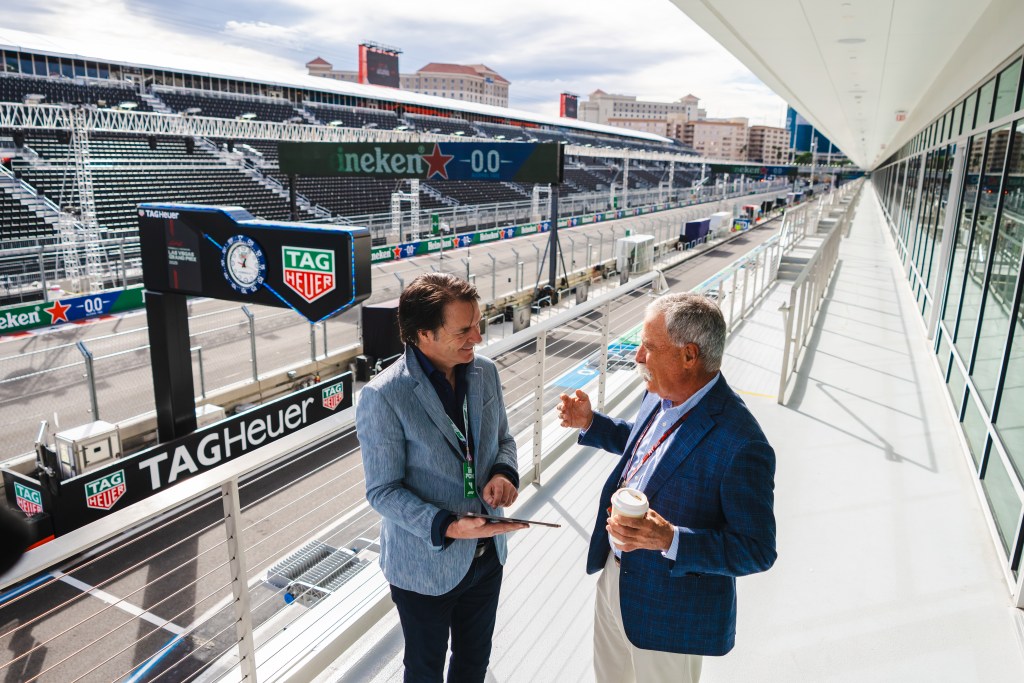
What he is proudest of is not any single race or deal but the organization. When Liberty arrived, Formula 1 had been built for a different era. Today, he says, the organization and its leadership are stronger than they have ever been.
Relationships, energy and conviction
Chase does not claim to have unique advice, but he is clear on a few things. Whatever you choose to do, approach it with energy and enthusiasm. Be yourself, because there is no blueprint. Have the conviction to stand behind your ideas and the humility to keep listening. And do not underestimate people.
“There’s a lot of discussion today about technology, artificial intelligence, and automation. Those tools will continue to evolve and become more important. But I still believe the people who will be most successful are the people who know how to build relationships.”
Three things I took from our conversation
- Simplify. The best leaders cut through the detail to the few factors that really matter.
- Hit singles and doubles. Lasting growth is the cumulative effect of many good decisions, not one home run.
- Build the organization, then hand it on. Chase always saw Formula 1 as a chapter with a defined mission, and succession was part of the plan from the start.
A life well-lived
Family, Chase says, has always come first. Today, with three grandchildren under the age of two and a fourth on the way, life looks very different, and he calls it a wonderful chapter. Asked which race he would choose purely as a fan, he would not pick one.
“Every race should feel special. Every race should create memories. Every race should leave fans wanting to come back.”
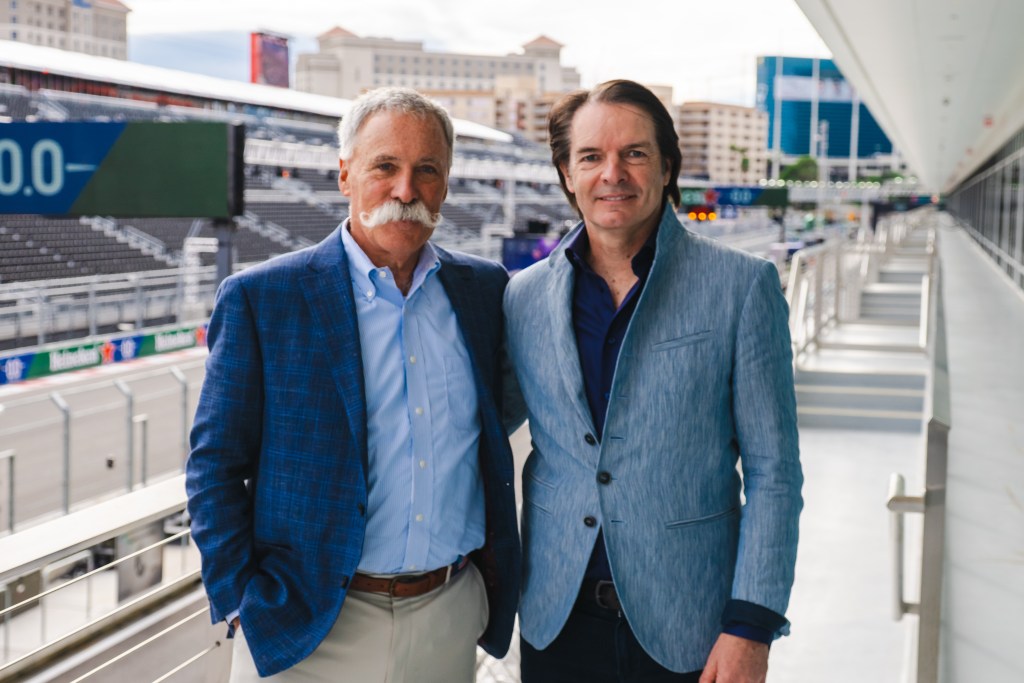
Thank you, Chase, for joining us trackside in Las Vegas and for a fascinating conversation about Formula 1, media and building things that last.
Full transcript
Read the full transcript here
James: Welcome back to A Life Well-Lived. We’re recording live from the Las Vegas Grand Prix, one of the most fascinating spectacles in global sport. You can probably hear some of the activity in the background—planes overhead and track crews preparing the circuit—but we’re recording right here on site. Today, I have the privilege of sitting down with a man who helped usher Formula 1 into a new era beginning in 2017: Chase Carey. Chase is the former CEO and current Chairman of Formula 1, as well as a longtime media executive whose leadership at Fox, Sky, and DirecTV helped shape the modern sports media landscape. Chase, thank you for joining us.
Chase: Thank you for having me. It’s great to have all of you here.
James: You became involved with Formula 1 in late 2016 and officially stepped into leadership in 2017. Today, as Chairman, how many races do you attend each year, and what does your role look like during a race weekend?
Chase: My role is much more limited than it was during my time as CEO. From 2016 through 2021, I served as both CEO and Chairman. It was a full-time job. I lived in London, attended every race, and was involved in the day-to-day operation of the sport. Since stepping down, Stefano Domenicali has taken over leadership and has done a tremendous job. Today, my role is primarily as a board member and advisor. I attend six or seven races a year, stay connected to the business, and support the leadership team where I can. Mostly, I’m a cheerleader these days.
James: When you come back to a race now, do you still feel the same excitement you did in those early years? What goes through your mind when you walk into an event like this and see the crowds, the energy, and everything that surrounds Formula 1?
Chase: Absolutely. If you can’t get excited at a race like this, something’s wrong with you. Being here is a lot like attending the Super Bowl. When we came into Formula 1, one of the things we talked about was creating 22 Super Bowls around the world. We wanted every race weekend to feel like a major global event—a spectacle that extended beyond the race itself. The energy is incredible. Las Vegas adds another dimension to it, but every race has its own personality and excitement. It’s hard not to be energized when you’re surrounded by this atmosphere.
James: Las Vegas is a particularly interesting Grand Prix because it’s one of the most complex events on the calendar. It’s a street circuit, it’s run at night, and as we saw during qualifying, the weather can introduce its own challenges. Can you talk a little about the process of bringing an event like this to life? I believe discussions around Las Vegas began around 2019.
Chase: That’s right. Las Vegas had a history with Formula 1 that goes back decades. There were races here in the 1980s, although under very different circumstances. Over the years there had been conversations and attempts to bring Formula 1 back, but nothing had really come together. When I first came to Las Vegas in 2019 and sat down with local leaders, I immediately felt that Formula 1 and Las Vegas were made for each other. Both are global spectacles. Both capture people’s imagination. Both are built around creating unforgettable experiences. From the beginning, it felt like an opportunity to create something special—not only for Formula 1, but for Las Vegas as well.
James: What does that process actually look like? You’re working with local authorities, tourism organizations, businesses, and a wide range of stakeholders. How do those conversations come together?
Chase: Every market is different. In many countries, we’re working directly with governments because Formula 1 may be the largest annual event that country hosts. Las Vegas is unique. One of the first things we had to do was understand how the city operates. There’s an organization called the Las Vegas Convention and Visitors Authority, which plays a significant role in coordinating major events throughout the year. Las Vegas hosts global conventions, major sporting events, concerts, and entertainment experiences. There’s a deliberate effort to manage the calendar so these events complement one another rather than compete. That organization brings together state leaders, city officials, major businesses, and hospitality operators. They have a strong understanding of what Las Vegas wants to be and how the city can continue evolving.
James: How many people do you think will attend this weekend?
Chase: The largest Formula 1 events can attract around half a million people over a race weekend. Silverstone in the United Kingdom and Austin in the United States are among the biggest. Street races are naturally more constrained because you’re working within an existing city. At a purpose-built circuit, you can expand grandstands and infrastructure much more easily. Here, you’re working around buildings, streets, and the realities of an urban environment.
James: What does the global audience for Formula 1 look like today?
Chase: The numbers have grown dramatically. While I don’t have the exact figures at my fingertips anymore, Formula 1 reaches well over a billion people globally. What makes the sport unique is that it truly is global. Many sports have worldwide fans, but they still have a primary home market. The NFL is centered in the United States. The Premier League is rooted in the United Kingdom. Formula 1 was born in Western Europe, and that’s still an important foundation for the sport. But today it competes around the world and attracts audiences from virtually every major market. That’s what makes it different. It’s one of the few truly global sports.
James: It’s also appointment viewing. Unlike many sports where different teams are playing throughout a season, Formula 1 brings every team, every driver, and every major sponsor together in one place at one time.
Chase: That’s exactly right. You have drivers, teams, sponsors, and fans from all over the world coming together around a single event. That creates a unique connection between the sport and its audience.
James: Before we return to Formula 1, I’d love to go back and talk a little about your early career. You began at Columbia Pictures before moving to 20th Century Fox, where you spent decades helping build some of the most influential media businesses in the world. What originally inspired you to pursue a career in media?
Chase: I joined Columbia Pictures in the early 1980s after business school. It was a very different era in media. The forces that shape the industry today—digital platforms, streaming services, and social media—didn’t exist. In the United States, there were essentially three major broadcast networks, and cable television was still in its infancy. I entered the business at a time when home entertainment, cable television, videocassettes, and globalization were beginning to transform the industry. Those forces drove growth throughout most of my career. When I joined Fox in the late 1980s, it was still in its early stages. Fox didn’t yet have the sports, news, and global media businesses that people associate with it today. We were building those businesses from the ground up. The industry continued evolving over the years, but the biggest transformation has happened over the last decade with the rise of digital platforms, streaming services, and companies like Netflix and Amazon. Those businesses have fundamentally changed the media landscape.
James: When you joined Fox in those early days, did you have any sense of how significant the company would eventually become?
Chase: We certainly had ambitions. Rupert Murdoch is a truly unique visionary. He’s been the driving force behind Fox from the beginning, and his impact on the media industry is difficult to overstate. I’m still on the board of Fox today, so I remain connected to the business. Looking back, it’s remarkable to think that it’s been nearly four decades since I joined the company in 1987. Rupert consistently saw opportunities that others didn’t. Whether it was Sky, Fox Sports, Fox News, or the Fox network itself, he was willing to make bets that many people considered too risky. Those decisions didn’t just create successful businesses—they changed the industry.
James: What do you think made Rupert so successful at identifying those opportunities when others couldn’t see them?
Chase: It starts with vision. One thing I’ve always admired about Rupert is his ability to simplify complex situations. People often get lost in PowerPoint presentations, forecasts, and endless details. Rupert had an ability to cut through all of that and identify the few factors that truly mattered. He believed deeply in the value of content—whether that was entertainment, sports, or news. He saw opportunities where others saw mature markets. But vision alone isn’t enough. What really distinguished him was his conviction. Building businesses is incredibly difficult. Whether you’re creating a network, a news channel, or a global television platform, the first few years are often filled with setbacks. Most people become discouraged when things don’t go according to plan. Rupert had the courage to stay committed through those difficult periods. He had been through it before, and he understood that building something meaningful takes time. Many of the businesses he created lost money early on. Many people questioned whether they would ever succeed. But he stayed focused on the long-term opportunity and fought through the challenges. As a result, those businesses became some of the most valuable and influential media properties in the world.
James: During your time at Fox, you became one of Rupert’s most trusted executives. You eventually served as President and CEO of Fox Broadcasting and later Deputy Chairman and President of News Corporation. People often talk about your ability to build and grow businesses. Looking back, what accomplishment are you most proud of?
Chase: What I’m most proud of isn’t any single business. It’s the process of building something meaningful alongside talented people. None of those successes belong to one person. They start with Rupert, but they also involve teams of individuals who work together to create something larger than themselves. Whether it was Fox Sports, Fox News, Sky, or the Fox network, what I remember most is the challenge of building something from the ground up. When we launched Fox News, for example, nearly everyone was skeptical. Wall Street was skeptical. The media industry was skeptical. People questioned why the world needed another news channel when CNN already existed. But we believed there was an audience that wasn’t being fully served. We stayed focused on execution, continued improving the product, and ultimately proved there was room for something different. That’s what makes building businesses rewarding. You work with a team, take on a challenge that many people think is impossible, push through the skepticism, and create something that endures. For me, that’s always been the most satisfying part of the journey.
James: You’ve described yourself as more of a traditional sports fan. Before Formula 1, were you following the sport closely?
Chase: Not particularly. I grew up in New York, so I was more focused on traditional American sports. I’m a Yankees, Giants, Knicks, and Rangers fan. But I’ve always viewed sports through both a fan’s lens and a business lens. When we invested in sports at Fox, we didn’t do it because executives happened to be sports fans. We did it because we believed live sports would become increasingly valuable within the broader entertainment landscape. Sports create heroes. They create memorable moments. They create shared experiences that audiences care deeply about. We believed live events would become some of the most valuable content in media, and that’s exactly what happened. The decision to build Fox Sports wasn’t driven by fandom. It was driven by a belief that sports represented one of the most important growth opportunities in entertainment.
James: Your background in global media, broadcasting, and live sports seems like it prepared you perfectly for Formula 1. When Liberty Media acquired Formula 1 in 2017, what did you see in the business that others perhaps weren’t seeing? What untapped potential did you identify?
Chase: Formula 1 actually wasn’t on my radar at the time. I was retiring from Fox after a long career and transitioning into board work. I wasn’t actively looking for another operating role. Then John Malone and Greg Maffei from Liberty Media called. They were pursuing the acquisition of Formula 1 and asked whether I would consider leading the business if the deal went through. They essentially asked, “Would you be willing to move to London and do one more rodeo?” I wasn’t looking for a new challenge, but it was an intriguing opportunity. There were three things I always said any new role would need to offer. First, it had to be different. If I was simply doing a version of what I had already done at Fox, it wouldn’t have been particularly compelling. My experience at Fox, especially working with Rupert Murdoch, was unique. Second, it had to be interesting. I have tremendous respect for people who build successful businesses in any industry, but personally, I wanted to be involved in something that captured my imagination. Third, I had to believe it could be successful. There’s no point taking on a challenge if you don’t genuinely believe there’s a path to meaningful growth and success. Formula 1 checked all three boxes.
James: What specifically convinced you there was an opportunity?
Chase: Formula 1 was already an extraordinary global franchise. The sport had incredible assets: historic teams, iconic drivers, passionate fans, a rich legacy, and a truly global footprint. But we also felt it hadn’t fully evolved alongside the world around it. The media landscape had changed dramatically. Consumer behavior had changed. Social media had become a central part of how fans engaged with sports and entertainment. Yet Formula 1 hadn’t fully embraced many of those opportunities. There were things that needed to happen—whether it was building a stronger digital presence, engaging fans more directly, creating new forms of content, or elevating race weekends into truly world-class events. The foundation was already there. The challenge was unlocking the full potential of those assets. We never believed it would be easy, but we believed there was an opportunity to build something special.
James: Many people credit you with leading one of the most significant transformations in modern sports. When you arrived, there were major changes that followed—digital transformation, expansion into new markets, cost controls, fan engagement initiatives, and a broader modernization of the sport. Can you talk about the strategic framework behind those decisions?
Chase: The first thing I’d say is that none of it happens without a great team. People often talk about giving credit to a single individual, but that’s never how successful organizations work. Success comes from talented people working together toward a shared vision. When we arrived, we identified four strategic priorities that would guide everything we did. The first was creating the best possible sport on the track. At the end of the day, that’s the product we’re offering fans. You can build incredible events and great marketing campaigns, but if the racing isn’t compelling, none of the rest matters. We wanted the competition to be exciting. We wanted drama, unpredictability, heroes, rivalries, and compelling storylines. We wanted fans to feel emotionally invested in what happened on track. Formula 1 already had an incredible history. Our responsibility was to ensure the sport itself continued living up to that legacy.
James: So the racing itself was the foundation.
Chase: Absolutely. The second priority was transforming each race into a true global spectacle. We often talked internally about creating 22 Super Bowls. In most countries, Formula 1 arrives once a year. In many cases, it’s the largest annual event that country hosts. That means the experience has to be extraordinary. The race may only last around ninety minutes, but fans spend three days at the event. They’re there for hours each day. So we wanted to create an experience that extended beyond the track. That includes entertainment, music, food, hospitality, celebrities, and all the elements that make Formula 1 unique. When people think about Formula 1, they think about glamour, excitement, energy, and world-class destinations. We wanted every fan—regardless of where they were sitting—to feel part of something special. More importantly, we wanted people to leave saying, “That was one of the most memorable experiences I’ve ever had.”
James: And location plays a major role in that.
Chase: It does. We wanted Formula 1 competing in places that capture people’s imagination. Singapore. Monaco. Las Vegas. Miami. These are destinations that people dream about visiting. They’re places that create excitement before a race weekend even begins. Those locations become part of the story.
James: What was the third pillar?
Chase: The third priority was using every available tool to connect with fans. While the race itself remains the centerpiece, most fans experience Formula 1 through some form of media platform. They’re not only watching the race on Sunday. They’re following the sport every day of the week. That means we needed to embrace digital media, social platforms, streaming, and original content. We wanted drivers’ personalities to shine. We wanted team principals to become recognizable figures. We wanted fans to feel connected to the people behind the sport. One of the most visible examples was Drive to Survive. That series gave fans access behind the curtain. It introduced new audiences to the personalities, rivalries, and human stories that make Formula 1 compelling. At the same time, we invested heavily in improving the broadcast itself—better cameras, better graphics, better sound, and ultimately the creation of F1 TV for dedicated fans who wanted a deeper experience. The goal was simple: give fans more ways to engage with Formula 1 than ever before.
James: And the fourth pillar?
Chase: Growth. We wanted to grow the sport geographically and demographically. The United States was a major priority. We believed there was tremendous untapped potential there. We’ve made significant progress, although I still think we’re in the early stages. What has been particularly encouraging is where that growth has come from. The audience has become younger. Female viewership has grown significantly. We’ve expanded beyond the traditional Formula 1 fan base. That’s exactly the kind of growth that creates long-term momentum. Beyond geography, we also wanted to expand Formula 1 beyond race weekends. We introduced new experiences, expanded merchandising and licensing opportunities, invested in gaming, developed retail concepts, and explored ways to engage fans throughout the year. The objective was to create more opportunities for people to connect with the sport wherever they are. Those four pillars—great racing, world-class events, deeper fan engagement, and long-term growth—guided virtually every major decision we made.
James: Were you surprised by how quickly Formula 1 grew in the United States?
Chase: I don’t know that I ever think about growth in terms of surprise. When you’re building something, you always want it to happen as quickly as possible. But I’ve been around long enough to know that growth rarely follows a straight line. You establish goals. You develop a strategy. Then you focus on execution and adapt along the way. We believed adding races in Austin, Miami, and Las Vegas would create significant momentum in the U.S. market. Those events gave fans multiple ways to experience the sport and helped raise Formula 1’s profile dramatically. At the same time, meaningful growth takes time. People often look for a single breakthrough moment—a magic solution that changes everything overnight. In reality, most successful businesses grow through the cumulative impact of many decisions made consistently over time. It’s rarely one thing. It’s a hundred things working together.
James: That seems especially true when you look at what happened between 2017 and 2021. From the outside, it felt like a relatively short period of time, but the impact on the sport was substantial. Eventually, you transitioned leadership to Stefano Domenicali. What made him the right person to take over?
Chase: Stefano brought a unique combination of experience, credibility, and leadership. Unlike me, he had spent much of his career inside Formula 1. He was part of Ferrari during one of the most successful periods in the team’s history, working alongside people like Michael Schumacher, Jean Todt, and Ross Brawn. He understood the sport from the inside. At the time, he was running Lamborghini, but he remained deeply connected to Formula 1 and had tremendous relationships throughout the paddock. I felt he was exactly the right leader for the next phase of the sport’s evolution. Fortunately, I had the opportunity to know him well before the succession process began, which made the transition much easier. He’s done a tremendous job.
James: How has your role evolved since stepping away from day-to-day leadership?
Chase: Today, my role is really that of a board member and advisor. And being an advisor means understanding when to offer advice and when not to. Stefano doesn’t need someone looking over his shoulder. He’s leading the organization, and he’s doing it exceptionally well. We stay in close contact. In fact, I spoke with him this morning. But our conversations are typically focused on staying informed, discussing opportunities, and occasionally sharing perspectives when appropriate. The reality is that this is Stefano’s organization. My role is to support him and the team, not to manage the business.
James: Looking at where Formula 1 is today, what excites you most about its future?
Chase: I genuinely believe the sport has never been in a stronger position. And despite all the growth we’ve experienced over the last several years, I think the most exciting opportunities are still ahead of us. The fan base continues to grow. The sport continues to expand geographically. The teams are stronger than ever. The commercial ecosystem is stronger than ever. Most importantly, we have a leadership team that’s focused on continuing that momentum. From my perspective, Formula 1’s future has never looked brighter.
James: Next season we’ll see significant changes, including the arrival of new manufacturers such as Audi and Cadillac, along with Ford’s involvement as an engine partner. How important is manufacturer participation to the health of Formula 1?
Chase: I think what’s most important is having great partners who are genuinely committed to the sport. Certainly, brands like Audi, Cadillac, and Ford bring excitement, heritage, and credibility. People still care deeply about automobiles. Even as the industry evolves, cars continue to inspire passion and imagination. That’s one of the things that has always made Formula 1 unique. It’s a combination of elite athletic competition and technological innovation. At the same time, it’s not solely about manufacturers. You look at a team like Red Bull and see an organization that has become enormously successful without being a traditional automotive manufacturer. Ultimately, what matters most is having organizations that are excited about the platform, invested in its future, and willing to help grow the sport. That’s true whether you’re talking about a team, a sponsor, a broadcaster, or a race promoter.
James: You’ve often spoken about the importance of partnerships.
Chase: Absolutely. One of the principles we established early on was that every relationship needed to be a win-win relationship. Whether it’s a sponsor, a media partner, a race promoter, or a manufacturer, both sides need to benefit. We want partners who help us grow the sport. At the same time, we need to help them achieve their objectives and grow their businesses. The strongest partnerships are the ones where everyone succeeds together. That’s the philosophy we’ve tried to apply throughout Formula 1.
James: Formula 1 is one of the most visible and high-pressure environments in sports. Every decision is scrutinized publicly. Every success and failure plays out in front of a global audience. Beyond the car and the driver, what makes a Formula 1 team successful?
Chase: At its core, it’s leadership and management. People often talk about Formula 1 as a technology competition, and technology is certainly important. But ultimately, these organizations are built around people. The most successful teams are able to align thousands of individuals around a common goal. A modern Formula 1 team can employ more than a thousand people. Engineers, designers, mechanics, strategists, software specialists, operations teams—every one of them contributes to performance. The challenge is creating an environment where all those people work together effectively. That’s what great leadership does. It creates alignment. It creates clarity. It turns one plus one into three. The teams that consistently perform at the highest level aren’t necessarily the teams with the most resources. They’re the teams that manage complexity most effectively.
James: And the level of precision required is extraordinary.
Chase: It really is. These teams are competing for tenths of a second. After every practice session, data is analyzed by engineers around the world. Adjustments are made overnight. Components are refined. Strategies are revised. Everyone is searching for marginal gains. When the difference between winning and losing can be measured in fractions of a second, every detail matters. The ability to coordinate all of that activity efficiently is remarkable. That’s why I believe management remains one of the most important competitive advantages in the sport.
James: One thing that always amazed me during my time around Formula 1 was how incredibly close the teams were from a performance standpoint. You’d go through the offseason, everyone would disappear for a few months, and then somehow the teams would return for testing separated by only fractions of a second. The level of technical sophistication is incredible. And then you add the logistics of operating a global championship with twenty-four races around the world. It’s an enormous undertaking.
Chase: It really is remarkable. The engineering side of Formula 1 gets a lot of attention, and rightly so. But the logistical side is equally impressive. When this race ends tonight, teams will immediately begin dismantling garages, hospitality structures, broadcast equipment, technology systems, and race operations infrastructure. Within hours, everything is packed into containers and loaded onto cargo aircraft. By the next weekend, it’s all reassembled on the other side of the world and ready to go again. It’s an extraordinary operation.
James: And we’re not talking about moving a few race cars. We’re talking about moving an entire traveling city.
Chase: Exactly. After this race, there will be multiple cargo aircraft leaving one after another, transporting everything to the next destination. The cars. The garages. The broadcast infrastructure. The hospitality facilities. The technology that powers the event. All of it moves across the globe in a matter of days. Then teams arrive and are immediately preparing for the next race weekend. It’s one of the most impressive logistical operations in sports.
James: And the people involved do it week after week.
Chase: They do. And I think you have to genuinely love it. It’s a demanding lifestyle. You’re not traveling a few hours from home. You’re moving between continents, time zones, and cultures throughout the season. This year alone, teams have traveled from Australia to China, through the Middle East, into Asia, Europe, North America, and back again. It’s physically demanding. It’s mentally demanding. But the people who work in Formula 1 are incredibly passionate about what they do. For many of them, there isn’t another place they’d rather be.
James: As Formula 1 continues to grow, how do you think about entering new markets? At twenty-four races, the calendar is already incredibly full. How do you decide where Formula 1 should go next?
Chase: The first thing is recognizing that we’re not looking for constant turnover. One of the things we’ve always believed is that long-term partnerships matter. Whether we’re talking about race promoters, broadcasters, sponsors, or commercial partners, we want relationships that last. We want partners who are invested in the sport and who are building alongside us. That creates stability, trust, and long-term value for everyone involved. So we’re not constantly looking to replace races or move from market to market. At the same time, introducing something new can create excitement. A new race tells a new story. It captures people’s imagination. Las Vegas is a great example. Miami is another. When a new market enters Formula 1, fans immediately begin speculating about what it will be like, how it will compare to existing races, and what it adds to the championship. Those conversations are healthy. Sports are ultimately about storytelling. New races, new teams, and new manufacturers all create new stories.
James: So growth isn’t necessarily about adding more races. It’s about adding the right opportunities.
Chase: Exactly. At this stage, we’re focused on quality more than quantity. We’re always evaluating opportunities that can bring something special to the championship. But we’re fortunate to have an incredibly strong calendar already. The goal isn’t simply expansion. The goal is continuing to strengthen the sport.
James: When you look at the future of Formula 1, what do you think the next phase of growth looks like?
Chase: I think it’s important to recognize that most successful businesses aren’t transformed by a single breakthrough. People often spend too much time searching for the home run. In reality, growth usually comes from a lot of singles and doubles. It’s the cumulative effect of many improvements over time. That philosophy applies to Formula 1 as much as it applies to any business. We’re constantly asking ourselves how we can improve the fan experience. How can we make broadcasts more engaging? How can we create better digital experiences? How can we improve hospitality? How can we create more ways for fans to interact with the sport? None of those initiatives individually changes everything. But together they create meaningful progress.
James: So it’s really a philosophy of continuous improvement.
Chase: Exactly. You look at what’s happened here in Las Vegas. This is only the third year of the event, and it has improved each year. You see the same thing throughout the championship. Tracks continue investing in facilities. The fan experience continues improving. Broadcast technology continues evolving. New partnerships create new opportunities. We’re expanding areas like licensing, merchandising, gaming, and experiential experiences. We’re finding new ways for people to engage with Formula 1 beyond race weekends. All of those things matter.
James: And ultimately it comes back to the fan.
Chase: It always comes back to the fan. If we continue growing the fan base, if we continue increasing enthusiasm for the sport, then the business opportunities naturally follow. The objective isn’t simply growing revenue. The objective is creating more fans, creating more engagement, and creating more excitement around Formula 1. If we do that well, everything else takes care of itself. That’s really how we’ve always approached the business. Grow the fan base. Deepen the connection. Create memorable experiences. Then build on that foundation.
James: As you look back on your time with Formula 1, what are you most proud of?
Chase: The thing I’m most proud of is the organization. When we arrived, Formula 1 had extraordinary assets, but it didn’t have the type of organization that would have been capable of delivering everything we’ve discussed. The business had been built for a different era. One of our most important responsibilities was creating a team and an organization capable of leading Formula 1 into the future. Today, when I look across the leadership team and the broader organization, I see people who are incredibly capable, aligned, and committed to the future of the sport. The success Formula 1 is enjoying today is a testament to those people. That’s what gives me confidence about where the sport is heading. The organization is stronger than it’s ever been. The leadership is stronger than it’s ever been. And the opportunities ahead are greater than ever.
James: You’ve had an extraordinary career spanning media, sports, and global business. You’ve helped build some of the most successful organizations in those industries. What advice would you give someone hoping to follow a similar path?
Chase: I’m not sure I have any unique advice. But I do believe that whatever you choose to do, you have to approach it with energy and enthusiasm. The world is more competitive than it’s ever been. It’s more dynamic than it’s ever been. Things change faster than ever. To succeed in that environment, you have to care deeply about what you’re doing. You have to bring passion to it. I also think it’s important to be yourself. There’s no formula for success. People sometimes look for a blueprint they can follow, but careers don’t work that way. You have to find your own path. You have to understand your strengths. You have to be honest about what you believe. And you have to be willing to take ownership of your decisions.
James: How important is conviction?
Chase: It’s critical. You need to have convictions. You need to be willing to stand behind your ideas. But at the same time, you have to remain open-minded. One of the biggest mistakes leaders make is believing they’re always right. You need to listen. You need to seek out different perspectives. You need to recognize that great ideas can come from anywhere. The strongest leaders are confident enough to have convictions and humble enough to keep learning. Those two things have to coexist.
James: You’ve spent your career building teams and organizations. What role do relationships play in long-term success?
Chase: I think relationships are everything. At the end of the day, success is largely determined by your ability to work effectively with other people. That includes the people you work for. The people who work for you. The people you work alongside. The partners you build businesses with. The customers you serve. All of those relationships matter. There’s a lot of discussion today about technology, artificial intelligence, and automation. Those tools will continue to evolve and become more important. But I still believe the people who will be most successful are the people who know how to build relationships. The people who know how to build trust. The people who know how to bring teams together around a common objective. Technology can support that. It can’t replace it. I still believe people are at the center of every successful organization.
James: That’s great advice. What about Formula 1 specifically? A lot of people would love to build a career in Formula 1, whether on the technical side, the commercial side, or somewhere else within the sport. What advice would you give them?
Chase: I’d give them much the same advice. Follow your passion. Formula 1 is an incredible sport, but it’s also highly competitive. There aren’t unlimited opportunities. The number of people who want to work in Formula 1 far exceeds the number of available positions. That means you need more than enthusiasm. You need a clear understanding of what value you bring. You need to understand your skills. You need to understand how those skills can contribute to the sport. And you need to be able to communicate that effectively. People shouldn’t pursue Formula 1 simply because they enjoy watching racing. They should pursue it because they have something meaningful to contribute. The people who succeed are the ones who combine passion with purpose.
James: During your years as CEO, you attended more than twenty races a season while managing the business full-time. How did you handle a schedule like that?
Chase: You get used to it. It’s demanding, but it becomes your rhythm. Typically, I would travel to a race on Thursday. Friday, Saturday, and Sunday would be focused on the event itself. Then I’d fly home Sunday night and spend Monday through Thursday focused on the broader business before doing it all again the following week. The race weekends were heavily focused on relationships—meeting with teams, sponsors, broadcasters, promoters, and partners. The weekdays were focused on strategy, operations, and growth. It was essentially a seven-day-a-week commitment.
James: How do you avoid burnout with a schedule like that?
Chase: First and foremost, family has always been my priority. No matter how demanding a role becomes, you have to protect time for the people who matter most. Beyond that, you learn to take advantage of the breaks. Formula 1 has a summer break that gives people an opportunity to recharge. Then there’s time between seasons before everything starts again. Those periods become important. But it’s also worth recognizing that Formula 1 was always intended to be a chapter for me. When I joined, I knew I wasn’t moving to London permanently. My commitment to Liberty Media was to help guide the sport through a period of transformation, build the organization, and eventually transition leadership to the next generation. That was always the plan. Unlike my thirty years at Fox, where the timeline was open-ended, Formula 1 had a defined mission. Once that mission was accomplished, it was time to hand the reins to someone else.
James: Today, you’re spending more time with family and enjoying a different pace of life.
Chase: I am. I still serve on the boards of Formula 1 and Fox and remain involved in a variety of activities, but life looks very different today. I have three grandchildren under the age of two and a fourth on the way. That keeps me busy. And it’s a wonderful chapter of life.
James: Last question. If you were attending a Formula 1 race strictly as a fan—not for work, not for business—which race would you choose?
Chase: That’s always a dangerous question. People used to ask me which driver I wanted to win or which race was my favorite. My answer was always the same. I wanted every race to be successful. I wanted every fan to have a great experience. That’s still how I think about it. Every event brings something unique. When you go to places like Monza, Spa, or Silverstone, you feel the history of the sport. Those venues are woven into Formula 1’s identity. Then you have races like Singapore or Las Vegas, where you’re racing through city streets at night surrounded by an atmosphere unlike anything else in sports. Monaco remains one of the most iconic events in the world. Every race has its own personality. What we’ve always tried to do is make each one feel special in its own way. We often talked about creating twenty-two Super Bowls around the world. The Super Bowl may move from city to city, but each host city creates a unique experience. That’s how I think about Formula 1. Every race should feel special. Every race should create memories. Every race should leave fans wanting to come back.
James: That’s a great way to end. Chase, thank you very much for spending time with us. You’ve had an extraordinary career across media, sports, and business, and your impact on Formula 1 has been significant. We appreciate you joining us and sharing your perspective.
Chase: Thank you. I’ve really enjoyed the conversation.
A Life Well-Lived is the podcast from Exclusive Resorts, featuring the extraordinary lives of our Members and friends of the Club. Watch the full episode on YouTube, or listen on Spotify and Apple Podcasts.
Enjoyed this? Get new stories by email.
Travel, cars, aviation and conversations from A Life Well-Lived, delivered when each new post is published.
Related Posts
A Life Well-Lived: Dick Monfort on Ownership, Stewardship and the Colorado Rockies
At Coors Field with Colorado Rockies…

A Life Well-Lived: Jean Case on Courage, Curiosity and Making Big Bets
Tech pioneer, philanthropist,…

A Life Well-Lived: Tish Squillaro on Candor, Head Trash and Getting Out of Your Own Way
Executive coach, author and Club Member…